Sunday, January 29, 2012

Falafel


In 1999 I traveled to Egypt, which was quite a rigorous yet rewarding trip.  I discovered many cool things during this sojourn through the Sahara, not the least of which was these delicious little bite-sized delicacies:  falafel. 

Overall, the food was hit or miss in Egypt, but when I saw falafel on the menu, I knew at least I wouldn’t go hungry.  These little treats are not only delicious, but quite nutritious as well; they’re so packed with protein they are considered a good meat substitute for a vegetarian diet. 

I set about trying to make falafel when I got back home, but my first attempt was an abysmal failure.  (More on that later)  But after taking a Lebanese cooking class at Central Market, which included a great falafel recipe, I was on my way to making my favorite Middle Eastern dish. 


Falafel

1 Cup Dried Chickpeas, soaked overnight
1 Cup Dried Fava Beans, soaked overnight
½ Cup Bulgur Wheat
1 Medium Onion, diced
2 to 3 Cloves of Garlic, crushed
½ Bunch of Fresh Cilantro, stemmed and chopped
1 Tablespoon Lemon Juice
1 Tablespoon Olive Oil
1 Teaspoon Baking Soda
2 Teaspoons Sea Salt
2 Teaspoons Cumin
2 Teaspoons Paprika
½ Bunch Fresh Parsley, finely minced
Peanut Oil or Vegetable Oil

Soak the fava beans and chickpeas overnight.


Drain the beans and rinse them thoroughly.  Place them in your food processor and pulse until the beans resemble coarse bread crumbs. 


Add the bulgur wheat, onion, garlic, lemon juice, olive oil, baking soda, sea salt, cumin and paprika.  Start pulsing the mixture until it resembles a coarse pasty consistency.  Add the parsley and pulse until the mixture is a fine, gritty paste. 

Take a small amount of the mixture in your hand and form it into a small patty.  Place this on a tray lined with wax paper.  Continue making patties until you run out of batter.  This recipe usually makes around a dozen medium-sized patties. 


Next, place the tray of falafel patties in the fridge for about two hours to firm up and set, or if pressed for time, you can place them in the freezer for about thirty minutes. 

When you’re ready to cook, fill a large skillet about a half inch deep with peanut or vegetable oil.  I like to use peanut oil as it produces a good flavor and has a high smoke point, but any vegetable oil or even canola oil will work.  I’ve also experimented with using olive oil in an effort to be more ‘Mediterranean,’ but I haven’t noticed much difference in flavor, and the olive oil can get a bit smoky.  If you go this route, make sure to use a light olive oil. 

Heat the oil to 375 degrees Fahrenheit, then carefully use a fork to lower your patties, one at a time, into the oil.  Fry in batches of four to six patties, about a minute and a half to two minutes a side, until they are golden to deep brown in color.  


Drain on paper towels 


and serve immediately on their own, or with some hummus, tahini  or tzatziki sauce. 


One final note.  I have found a wide variety of falafel recipes, but I feel the one above comes closest to the flavor of what I tasted in Egypt (other places may differ) while staying true to authentic Middle Eastern ingredients.  The first time I attempted to make falafel, however, the patties immediately disintegrated when I put them into the oil.  I researched matters and some recipes called for using an egg in the mix.  I tried this, and the patties did hold together fine, but from what I gathered this wasn’t a very traditional Middle Eastern ingredient.  I tried other methods, and finally came up with the recipe outlined above.  One thing I note, in my first attempt I had no bulgur wheat in the mix, and I also just formed the patties and immediately fried them.  I think that is the reason they disintegrated.   The time in the fridge or freezer allows the patties to firm up somewhat, so make sure you don’t skip this step, as it also allows the glutens in the bulgur wheat to set, further helping your patties stay together. 

Note, the falafel I made with egg tasted virtually identical to the version sans egg, so there is nothing really wrong with using this, as far as the final product is concerned, unless you are serving some of your vegetarian/vegan friends.  In that case, skip the egg for sure.  

Chris

Wednesday, December 21, 2011

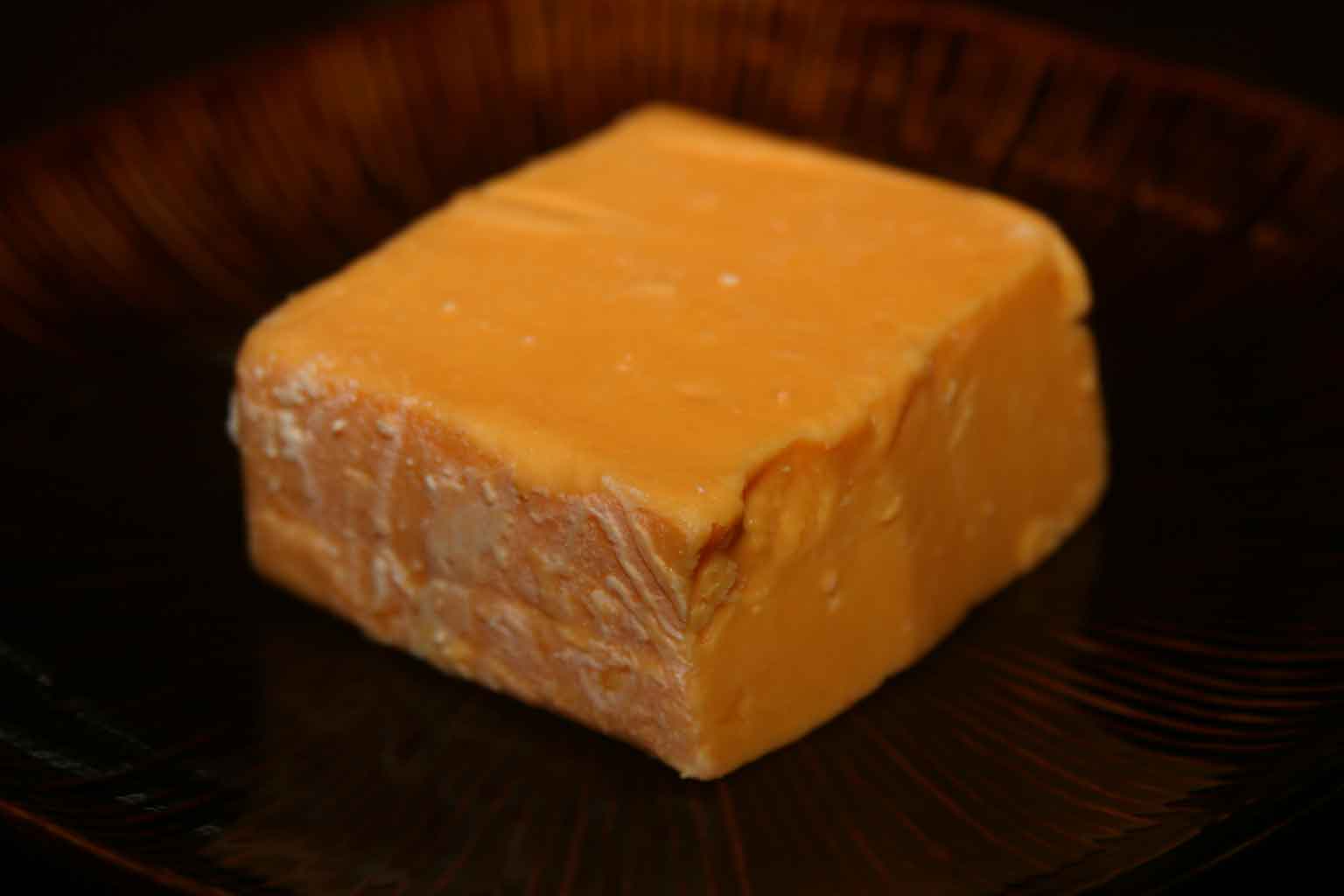
Cheddar Cheese


I love, love, love cheese.  And if I had to pick a favorite...well...gosh...I just couldn’t.  There are so many wonderful varieties out there, from pungent, creamy blues like Roquefort and Stilton to decadent triple crème brie to tangy goat varieties like Bucheron or Humboldt Fog to nutty and mild Port Salut to Belgian Trappist  cheeses made with beer to...well, I could go on and on.  But it’s hard to beat a great cheddar cheese.
    
The problem with cheddar is that it has become so ubiquitous that it could be considered the ‘Merlot’ of cheeses.  It’s the default cheese, the common denominator, the rule instead of the exception, and thus cheddar becomes, in many cases, marginalized, bland, and about as exciting as a slice of plain white bread.   The good thing about cheddar is you can find is practically anywhere.  The bad thing is the bulk of what is out there in our supermarkets and even specialty stores is often homogenized and practically tasteless.  But don’t let this sully your opinion of cheddar.  When created carefully and aged appropriately, cheddar can be one of the world’s great cheeses. 


Cheddar cheese of course originated around the village named Cheddar in England, and it is still made there.  Since the appellation ‘Cheddar’ is not controlled like the names of some other cheeses, it can be difficult to find cheddar from Cheddar, but there are many fine English cheeses that are similar that can be found in specialty cheese shops or places like Whole Foods or Central Market.  Some of these cheeses are Red Leister, Single or Double Gloucester, Derbyshire, or Cheshire.  Before cheese purists run me up on charges, let me stress that I’m not asserting that these cheeses are cheddar, but merely that they are similar enough in character as to satisfy someone looking for ‘authentic’ cheddar from the eponymous village.  

Good cheddar is also made in the United States.  Vermont is famous for its white cheddars, and many are quite good, but with popularity comes surplus, and then surfeit, meaning that there are so many ‘Vermont cheddars’ on the market today that many are bland and unexciting.  Look for VC’s that are well aged at least a year and half, and try to find a cheese monger who will let you taste their wares first.  (Good advice no matter what sort of cheese you are buying).

Wisconsin is of course the center of cheese production in the States, and thus produces the bulk of the cheddar that is made here, and unfortunately, this is where much of the unexciting stuff comes from.  But I have to say that hands down the best cheddar I ever tasted also comes from Wisconsin.  This is a cheddar created by the Wisconsin Cheese Mart that is aged an astounding NINE YEARS before it is sold.  


I discovered it by accident.  I was on a business trip to Milwaukee and had some time to kill, so I wandered into their store.  I ended up coming out with several pounds of cheese to take back home, including a brick of this amazing nine-year-old stuff. 

Never have I tasted a cheddar cheese like this before.  The flavor is rich and almost overpowering, the sharpest, tangiest cheese you’ve ever tasted.  I would compare tasting a bite of this cheese to the depth of flavor one finds in a bite of a steak from the finest steakhouse in the land.   And it’s not just the flavor that is a part of the experience, but the texture as well.  All this aging causes it to be crumbly, but somehow there is still a fair amount of moisture content in this cheese, giving a creaminess to the texture.  As you bite into it, you discover a delightful, subtle crunch as well, as there are tiny granular crystals (calcium lactate) that have formed in the cheese.


So if you want to try cheddar cheese at its true best, check out the Wisconsin Cheese Mart.  I’ve ordered several of their cheeses by mail order over the years, and they always arrive in great shape.  I checked the website, and they are currently out of the nine-year-old cheddar, but they have a seven-year-old version that I’ve tried and it is comparable to the nine year version. 

Until next time, 

Stay Cheesy,

Chris


Monday, November 21, 2011

My Thanksgiving Turkey Recipe


Thanksgiving is almost here. It’s perhaps my favorite holiday these days, as it’s all about the food, family, and (thanks to the Cowboys playing) football. But of course it all starts with the guest of honor, the turkey.


We have a big family, so when I have Thanksgiving at my house, I always cook at least two, and sometimes three turkeys. The first year I hosted Thanksgiving, I only cooked one turkey, and after the meal it was almost all gone. And what’s Thanksgiving without leftovers! Doing multiple turkeys means there will be plenty for folks to nibble on later in the day, and to take home as well for those next day turkey sandwiches.

I’ve been known to fire up the smoker and smoke a whole turkey on T-day, and I also am a fan of fried turkey, so one of those usually makes an appearance as well. But I never fail to do an oven-roasted turkey as well, and that’s the recipe we’ll be discussing today. I simply love the flavor of an oven-roasted bird, and the aroma it sends wafting though the house is to die for! Also, with its beautiful, crisp, brown skin, it makes a perfect centerpiece on the table.

The recipe that I follow for my roast turkey is one with a simple herb butter application that really crisps the skin and makes the bird look beautiful and taste great. I’ve also thrown in my wife’s stuffing and gravy recipes, since no bird is complete without those two items.

Roast Turkey with Herb Butter

1 large turkey, thawed, giblets and neck reserved for gravy
1 stick butter
3 tablespoons chopped fresh rosemary
3 tablespoons chopped fresh sage
1 ½ tablespoons orange zest
1 tablespoon ground black pepper
4 teaspoons salt

Preheat oven to 325F. Rinse turkey inside and out, pat dry. Place on rack in roasting pan. Sprinkle cavities with salt and pepper. If not stuffing turkey, place rosemary and sage sprigs in main cavity. If stuffing turkey, spoon stuffing loosely into main cavity.

(And of course by spoon, I mean, you can use your hands, like my wife does here)

For the herb butter, melt the stick of butter in a saucepan. Mix in the chopped rosemary, sage, orange zest, pepper and salt.


Brush herb butter on over turkey.


Tuck wing tips under turkey, tie legs together to hold shape.


Roast Turkey one hour. Baste with pan juices. Continued roasting turkey until thermometer inserted in thigh registers 180F, basting every 20 minutes, about 2 ½ hours more if unstuffed, or about 3 ¼ hours longer if stuffed.


After the turkey is finished, place on a platter, garnish with rosemary sprigs or what have you, and admire. Then eat. Don’t forget to make the Gravy. Stuffing recipe can be found here.


Happy Thanksgiving, y’all!


Chris

Turkey Gravy


Turkey Gravy


4 parts chicken broth
1 part turkey pan drippings
1 part giblet/neck stock
½ part flour
Salt and pepper to taste

While your turkey is roasting, simmer the neck and giblets in water to make giblet stock. (You can add a little chopped onion, carrot and celery, as well as some garlic, to the pot for extra flavor) After your turkey is finished roasting, heat the pan drippings in a frying pan until hot. Sprinkle or sift flour into the pan and brown. Add the chicken broth and giblet stock and simmer for 20 minutes or so. Salt and pepper to taste.

Thanksgiving Stuffing


I’m no master of stuffing, and in fact, I’ve always left the preparation of it to my sisters or my wife, except back in the bachelor days when I’d simply prepare a small amount to go in the bird itself. But my family is crazy about stuffing, or ‘dressing,’ as they call it, because we always grew up as a family that cooked the stuffing in a separate pan instead of in the bird. (I stuff the bird now, because I’m a traditionalist, but we always make a pan or two of ‘dressing’ so there’s plenty to go around)


I wanted to include a stuffing recipe here to go along with my turkey, but since I don’t have must experience with the dish, I’ve had to defer to my wife, who has presented me with her Grandmother’s stuffing recipe, which I’ve transcribed for you below.

Dressing

1 loaf dry bread (I usually bake a French or Italian loaf a few days earlier, and let it stale up)
2 eggs, beaten
½ stick butter
1 medium onion, chopped
3 large celery sticks, chopped
1 ½ tablespoons chopped fresh sage
Salt and pepper
Water or giblet stock

Cut the bread in cubes and place in a large bowl. Pour the beaten eggs over the bread and mix. Melt the butter and fry the onion and celery until soft but not brown. Add the sage, stir and cook for a minute. Salt and pepper to taste. Add the water or giblet stock and let boil for a couple minutes. Then pour this liquid over the bread and mix up good. Add the mixture to the turkey cavity, or if desired, add it to a baking dish and bake for 30 minutes at 350F.

Sunday, October 30, 2011

Chicken Tikka Masala


I discovered this dish quite by accident. I was at an Indian restaurant in New Hampshire last summer, and I ordered one of my favorite dishes, Chicken Tikka. They made a slight mistake in writing down the order, and brought me instead Chicken Tikka Masala, which is Chicken Tikka covered in a Masala sauce. I’d never tried this sauce before, so instead of sending it back, I told them to leave it and I’d give it a try. Well, I fell in love with this dish! The Masala sauce was tangy, creamy and rich, and I couldn’t get enough of it. After I’d finished the chicken, I made sure to finish off the sauce by swabbing it up with an order of Naan bread.


I went back to this restaurant several more times, and each time I had to order the Chicken Tikka Masala, or else one of their lamb dishes covered in the Masala sauce. I’ve since tried this at my favorite Indian restaurant here in Texas, the Tandoor, and found I love their version as well.

I knew I had to figure out how to make this sauce at home, so I began researching recipes and tried various versions until I got what came closest to the dish that I had in New Hampshire. As I did so, I noticed that there were a great variety of Masala recipes out there. The signature spice that was present in all of them was Garam Masala, a spice blend that you can pick up at any Indian Grocery store. Some of the recipes had tomatoes in them, but a lot of them didn’t. But, the version I’d had that I fell in love with definitely had tomatoes, so I made sure to include a puree of them as the base of the sauce. A lot of the recipes also had a wild array of spices in it, and the first few versions I made were quite garish and over-spiced. When I simplified and streamlined the recipe down a bit, I finally had a sauce that matched the one I had fallen in love with. I hope you’ll like it too.


Chicken Tikka Masala

2 Chicken breasts, cut into chunks
6 oz Plain Yogurt
1 tblsp Chili Powder
1 tblsp Granulated Garlic
1 tsp Ground Cumin
½ tsp Ground Ginger


Masala Sauce

2 14 oz cans tomato puree
2 tblsp extra virgin olive oil
2 tsp garam masala
2 tsp paprika
2 tsp kosher salt
1 cup heavy cream

First, make the Chicken Tikka. Cut two chicken breasts into bite sized chunks.


Set aside.


In a bowl mix the yogurt, chili powder, garlic, cumin and ginger together thoroughly. Place the chicken breast chunks into a large freeze bag, then spoon the marinade over them, tossing and kneading the bag to mix. Let this marinate for up to eight hours.

When you’re ready to cook the chicken, place it evenly spaced on skewers...


...and grill over a hot charcoal fire, turning so that it browns evenly. You could also do the chicken under your broiler in your oven, but I think the charcoal grill will give you the best results.


Masala Sauce


This can be made ahead of time as well, but it is best served hot.


Pour the two cans of tomato puree into a large sauce pan over medium heat. Add the olive oil, garam masala, paprika, and salt and let simmer for 15-20 minutes. Just before serving, stir in the cream and let simmer for a few minutes to heat through.

Once the cream is in, the sauce takes on a lovely orange color. 

Here we’ve served the Chicken Tikka Masala with some simple jasmine rice. The sauce also goes quite well with lamb dishes.


Until next time,

Stay Spicy!

Chris

Friday, September 30, 2011

Red Chile Sauce


This time of year is Hatch chile season. Well, actually, we’re just a little past it, but I’m a bit late in getting this article online. Consider this my September article.

Hatch chiles are famous just about the world over for their unique piquant flavor and aroma. They are most used in their green form (see my entry on Green Chili Stew for an example) but if they are left on the plant they will mature into red chiles. These are usually hung in bunches called ristras (As in the picture above) and left to dry, the dried chiles then being ground as needed and used to season various dishes.

Finding fresh RED Hatch chiles is usually pretty rare unless one is in New Mexico, but I happened across some at Central Market the other day and I couldn’t resist picking up a pound and doing something with them.


I love the flavor of fresh chiles, so I decided I’d make a red chile sauce with these babies. Most red chile sauce recipes call for dried chiles, because as mentioned above that is usually the only way you can find them. To work with the fresh chiles, I sort of made a hybrid between the green chile and red chile recipies I had in my Whole Chile Pepper Cookbook.


Red Chile Sauce


1 lb Fresh Red Hatch Chiles, Roasted, Peeled and Chopped
1 Medium Onion
2 Cloves Garlic
2 Tablespoons Vegetable or Olive Oil
¼ Cup Flour
2 Tablespoons Paprika
1 Tablespoon Cumin
½ to 1 Cup Water

First, roast the chiles on your grill until they begin to blacken and blister, about five minutes a side.


Enjoy their fragrant aroma. Remove the chiles from the grill and place in a plastic bag for about 15 minutes. This will sweat them and make their skins much easier to remove.

Chop your onion and get it simmering in your oil. (Vegetable oil is traditional, but I use olive oil) while your chiles are sweating in the plastic bag. (You can also roast the chiles at an earlier time and store them in the fridge for a couple of days, or freeze them for longer).

Note how easily the chiles peel, once they have sweated in the bag. 

Peel the chiles and coarsely chop them. Set aside. When the onions have begun to brown, dice the garlic and add it to the onions. Next sift in the flour and stir.

Next, add the paprika and cumin and stir this in. Add the chopped red chiles and allow the mixture to simmer for a few minutes.


Then add the water and allow it to come to a boil, then reduce the heat and simmer for 15 minutes or so. Serve Immediately.

Here we've served the sauce over some homemade cheese enchiladas.  Mmm Mmm good. 

Chris