Sunday, November 15, 2015

Smoked Turkey Breast


If you read the blog regular-like, you'll remember we covered smoking a whole turkey a couple years back, and it came out great.  I now do one every year--come Thanksgiving and Christmas (and sometimes, a few other times as well)--in addition to my roasted and my fried turkeys.  Yes, we like our turkeys here at An Eat'n Man, but we also like turkey leftovers, and with the size of the Eat'n Man's extended family, one turkey just won't cut it.

Now, at the other end of the spectrum, what if you just don't need that much turkey, or just don't care for the dark meat.  Well, perhaps this is your answer--a single turkey breast.  Just enough for a meal for say four to six, with maybe a smidge left over for a sandwich the next day.  The folks at Butterball hawk a nice pre-cut, pre-packaged turkey breast that is basically ready to go in the smoker.


Looks like this when you get it out of the bag.


Note, it'll be a little smaller than you thought it was--they usually include a bag of gravy mix inside there with the breast, so your eyes will deceive you from when you first heft the package.

Anyway, fire up your smoker with a nice light wood like apple or peach--poultry meat readily absorbs smoke flavor, which is good, but this means more pungent woods like hickory and definitely mesquite are out.  Set your temperature to 300-325˚F.

Oh, before we begin smoking, you might want to remove the stretchy webbing that surrounds the breast.


I didn't, and I found it sort of cooked into the turkey meat, and was a bitch to remove.  The only problem is, if you do remove it, the breast may sort of droop or fall apart.  Solution:  Take it off and then tie the breast up with a few loops of kitchen twine.  Problem solved.

Smoke for 30 minutes.  Breast should now look like this.


Rotate breast around 180˚ and smoke for another 30 minutes.  Check the temp with a meat thermometer in the thickest part of the breast.  It should be getting close now.  Continue smoking until the internal temp hits 160˚F.


Take out and let rest in a warm spot in your kitchen.  Internal temp will continue to climb to 165˚F, which is just right for turkey breast.

Slice and serve--it's just that easy.


Until next time--no reason to go cold turkey with this recipe!

Chris


Saturday, November 7, 2015

Roasted Vegetables with Apple Cider Vinaigrette


November's at hand, which brings with it my absolute fav holiday--Thanksgiving.  Yes, I like Christmas, and New Years, and Saint Patrick's Day, and so on and so on...but I just love love love Thanksgiving.  It's one of the few holidays that hasn't really 'gone off on itself,' or gone commercial,  It's still a simple holiday that's all about family, food (and, for those of us in Dallas and Detroit, Football)


We're pretty trad, dad, here in the Eat'n Man's extended family fests, so Thanksgiving is all about turkey, dressing, mashed potatoes, cranberry sauce and the like.  But I think from time to time it's fun to inject a new or different dish or two into the line up, just for variety's sake.  Here's one we did this year, a nice spread of roasted veggies with a fab apple cider vinaigrette dressing.

Other than chopping up lots of veg, this dish is quite simple, and you can make it ahead of time (even a day or so) and chill in the fridge.


1 Pound Carrots
1 Pound Parsnips
1 Pound Red Beets, Peeled
10-12 Garlic Cloves
1 Cup Frozen Pearl Onions, Thawed
1 Pound Brussels Sprouts
Several Rosemary Sprigs
4 Tablespoons Olive Oil
Kosher Salt and Cracked Fresh Pepper to Taste
Apple Cider Vinaigrette Dressing (Recipe to Follow)
1 Head Radicchio
1 Head Savoy Cabbage

Preheat oven to 425˚F

Chop Your veggies.


Cut the carrots and parsnips into 3 inch long segments about a half inch or so in width.  Cut the beets into disks and then half these if they are large.  I left my Brussels sprouts whole here since they were small, but I think next time I'll halve them--they'll get more roasty and lose more of that, ahem, pungent aroma and flavor they are infamous for.

Place the veggies in a plastic bag.


You'll have quite a bit of veg, so you'll probably have to do this in batches.  Then add a tablespoon or so of olive oil, seal bag, then shake your moneymaker til the veggies are all well-coated with oil.  I make sure to do the red beets separate from the other veggies so they don't turn the others all reddish in color.

Spread your veg out on a couple of trays, leaving some room between the individual veggies to they roast evenly.  Season with salt and pepper, then go get your rosemary.


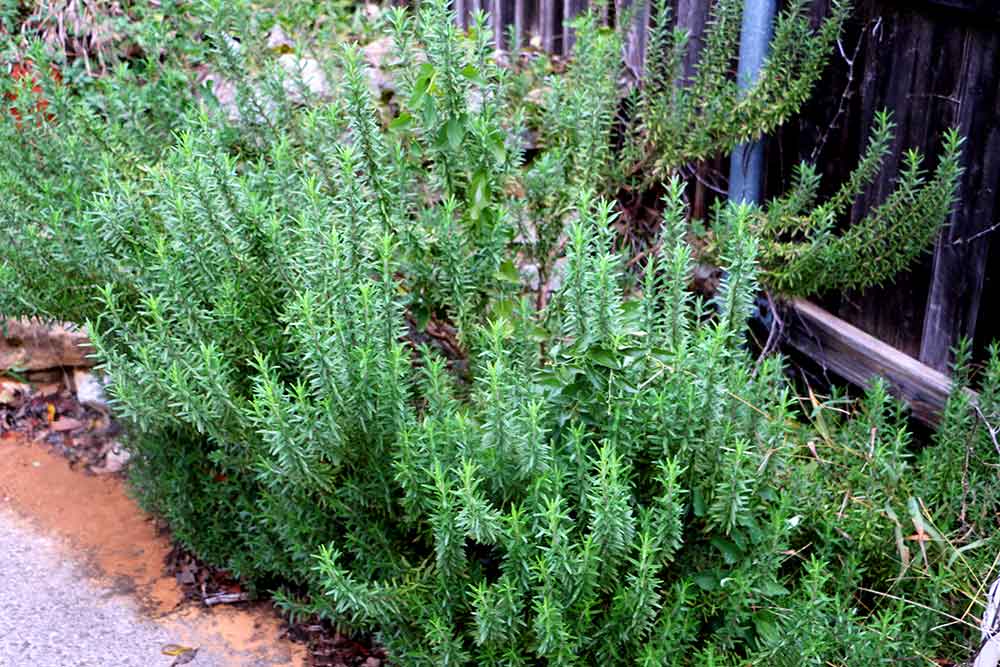
Here's the rosemary bush in our back yard.  It's absolutely out of control, but we never want for rosemary, that's for sure.


Cut some sprigs and then place three or so on the trays with the veg.


Toss half the garlic cloves on each tray, then roast at 425˚F for 20 minutes or so, then rotate the trays to opposite shelves in the oven and roast for another 20 minutes or so, until the veg are nice, soft and golden around the edges.


Let the veggies cool to room temperature and then toss with the apple cider vinaigrette dressing. Separate several leaves from the Radicchio and Cabbage, place them on a platter, alternating each type of leaf.  Place the veggies on the platter in a pleasing arrangement.


Serve with a little extra vinaigrette on the side.


Apple Cider Vinaigrette


3/4 cup extra virgin olive oil
1/4 cup apple cider
1/4 cup apple cider vinegar
2 tablespoons finely chopped shallot
1 tablespoon whole grain Dijon mustard
1 tablespoon honey
1  teaspoon kosher salt
1/2 teaspoon dried thyme
1/2 teaspoon freshly ground black pepper

Place all the ingredients in a carafe or large jar and shake well.  Place in fridge for an hour or so for flavors to meld.  Shake again just before serving.


Until next time,


Eat your veggies!


Chris


Saturday, October 24, 2015

Cast Iron Seared Sea Scallops in Brown Butter Caper Sauce


Scallops – surely one of the most delightful little treats the sea has ever produced--they look like little meaty marshmallows—and like that sugary treat, they come in two sizes: large and small.  The smaller versions are known as Bay Scallops, and if you’ve got some of those on your hands then I’d recommend checkout out my Coquilles Saint Jacques recipe.  That one may be the ultimate in gussied up scallop recipes.

But if you want a simple scallop recipe, one that celebrates the delicate flavor of the scallop itself, without too much accompaniment, then this one is your huckleberry.  For it, though, you’ll need the bigger of the two forms of scallops, known as Sea Scallops.  The little bay scallops are just too small to stand up to the heat of the cast iron skillet—they’ll overcook before they sear properly.  But the sea scallop, these my friends were made for this technique. 

Scallops, like a good steak or fish, are best on the somewhat rare side.  They should be cooked to an internal temp of around 130˚F and no more, or they will be rubbery.  On the other hand, and also like a good steak, a scallop does benefit from a good sear on the ends, which will provide some nice, caramelized flavor, and you can’t beat cast iron for accomplishing this.  Cast iron heats well and retains that heat, which is necessary to get a good sear. 

The sauce for this recipe, which I’m calling a brown butter sauce, is sort of a bastardized version of a French burre noisette sauce.  Burre Noisette literally translates to hazelnut butter, but there are no actual hazelnuts involved in the production of this butter.  It is called noisette because the butter turns a sort of hazelnut color, and gains a somewhat nutty flavor form allowing the milk solids in the butter to brown slightly.  We’ll be augmenting this sauce with some white wine and capers, but otherwise the sauce is simple enough for the scallop flavor to really shine through. 

Cast Iron Seared Sea Scallops in Brown Butter Caper Sauce

1 Lb Sea Scallops, Drained
3 Tablespoons Peanut Oil
6 Tablespoons Butter
1/2 Cup White Wine
2-3 Tablespoons Capers
1 Tablespoon Cornstarch
2 Oz Water

Get yourself a good cast iron skillet.  


Nothing 'cept maybe copper heats as evenly, and nothing retains heat as well, which is crucial to gettting a good sear quickly.  Add the peanut oil (other other high smoke point oil) and heat until it is just beginning to smoke, which is really hot, say around 440˚F, which just happens to be the smoke point of peanut oil.  If you don't have a thermometer, then just get it to where it is just beginning to smoke and you'll be good.  

While it's heating, place your scallops on some paper toweling and pat dry.  


If you want, you can remove the little extra piece of flesh from the side of each scallop (known as the 'foot') to make them more uniform.  

Add the scallops to the hot, smoking skillet, placing them down on the flat side as opposed to the round.  


Let them sear for at least two minutes, maybe more.  You can gently put sideways pressure on them with some tongs.  When they release they are usually read to flip.  

Sometimes when they release, though, they still don't have a complete sear, like a few in this picture. 


You can flip these back over but keep an eye on them.  

You want to get a nice, solid sear on them, like these two here--golden brown, almost caramelized--they will be brimming with flavor.  


Let the second side sear and then get 'em off the heat--the big sea scallops can stand up to searing, but even they will overcook if you leave them on too long.  And the sear should be a deep golden brown, not black.  

Move them to a paper-lined plate and keep warm.  

Reduce heat and let skillet cool a bit.  Add butter to the skillet and let it sauté for about thirty seconds.


Since you're pan is probably still pretty hot, the butter solids will brown pretty quickly, and you want them just browned, not burned.  Have the wine ready and when the butter just begins to brown, add the wine to slow the cooking.  


Stir to combine and scrape up browned bits from the pan.  Let  wine simmer for a couple minutes until reduced by half.  


Add the capers with some of their juice.  


Admire the beautiful concoction.  


Then stir to combine.  

Mix the cornstarch with the water and then add this to the sauce to thicken it.  


Let cook until it thickens enough so that a spatula scraped across will leave a gap that is slow to close.  


Serve the scallops with the sauce drizzled over the top, making sure to get plenty of capers on board.  


Here we've served them simply with a mini Pommes Anna.  


Until next time, 

Come out of your shell and have some scallops!


Chris


Saturday, October 17, 2015

Creamy Lobster Bisque


It's October, and I should be in Maine, peeping at the autumn leaves, drinking a Gritty's and munching on some lobstah.  Well, we didn't make it up there this year, and here in Texas, the leaves are still green, there's no East Coast IPA to be had, but at least I can get my lobster fix. 

Of all the different ways there are to gussy up a lobster in your kitchen, other than simply boiled, this has to be my favorite.  Lobster bisque is at once an elegant dish that often graces tables of the white cloth and real silverware variety, but it is also a dish that conjures up the sea--fishermen in those ubiquitous yellow rain jackets, lobster traps stacked high on faded wooden docks, aging boats rocking gently in a grey, misty harbor. 

I first tried this dish not in Maine, however, but in Texas, at the little B&B the wife and I stayed in on our wedding night.  The flavor of the bisque was unreal.  Savory and succulent and downright sassy, and lobster-y as all get out. 


The lobster bisque at the Sanford House B&B--pure heaven!

I pressed 'em for the recipe, but they weren't budging.  So I was on my own again.  Well, gentle readers, I have to say this one took a while.  Over of year of trial and errors, and lots of mediocre bisque (much to my wife's chagrin) later, I finally hit upon a recipe that approached the Sanford House's goodness.  Definitely not the same, but still very, very good.  And, it's also rather simple.  Making bisque the authentic way can be daunting.  Hours of boiling lobster shells to get the right flavor.  I cheat a little with some store-bought stocks, but that's okay, because all I'm really after here is the great flavor, and in my attempts with the lobster shells, things never really panned out. 

Anyhoo, if you're up for some bisque, give this one a try. 


Lobster Bisque

3 Tablespoons Butter
1 Medium Onion, Diced
3 Carrots, Diced
3 Stalks Celery, Diced
2 Cloves Garlic
1 Cup White Wine
1 Can Campbell's Consommé
1/2 Teaspoon Thyme
3 Cups Chicken Broth
1 Cup Lobster Stock
2-3 Tablespoons Tomato Paste
1 Teaspoon Better Than Bullion Lobster Base
1/2 Teaspoon Onion Powder
1/2 Teaspoon Garlic Powder
1/4 Teaspoon White Pepper
1 1/2 Cups Heavy Cream
Meat from 1 Lobster, Boiled
2 Tablespoons Cornstarch
2 Oz Water

First things first, you can go ahead and boil your lobster (or lobsters) and get that out of the way.  Hopefully you have a big enough pot that's up to the job, like this one. 


Everyone should have a dedicated lobster pot, no? 

When the lobster is done (about 12-14 minutes for a 1 1/4 pounder) you can set him aside in the fridge until you need him.


Now, melt the butter in a good sized pot.


Next, dice your onion,


Your carrots


Your celery

and add them all to the pot with the melted butter.  Sauté these until the onions start to clear and turn golden.  Then add the crushed garlic


and let that got a minute or two. 

Add the white wine and stir and scrape and browned bits off the bottom of the pot. 


Add the consommé.


Add the chicken stock,


Next up, this.


Yes, canned lobster stock.  Normally this would generate a supercilious eyebrow raise on my face, but in this case, with this particular brand, this is good stuff, and one of my two 'secret ingredients' to make this bisque sing.  Make sure you get the Bar Harbor brand lobster stock, or else it's back to boiling those shells. 

Add the lobster stock. 


Add the Thyme


Then add the tomato paste


Hey, don't you hate it when you only need two tablespoons of tomato paste and have to open a whole can?  I do too.  That's why I love these tubes of tomato paste.  You can use only what you need and seal them back up.  Plus, it's very high quality, flavorful tomato paste.  All the better. 

Stir everything up and then cover and let simmer for 20 minutes.  After this time, get your stick blender and pureé everything up. 


Next you need a chinois.  I know, not something everyone has hanging around, but in my opinion, every aspiring chef should have one.  They're fun. 


Pour the soup from the pot into a large bowl, then place the chinois in the pot and pour the liquid into it. 


Use the included pestle and mash all the liquid through the mesh sieve.  Discard the solids when you're done. 


Next up, secret ingredient number two:  Lobster base:


I'm a big fan of the Better Than Bullion Company.  I've used their beef base for years in my chili and my cowboy beans.  So much better than those little dry bullion cubes.  When I discovered they made a lobster base, I had to try it.  I have to say it really wowed me.  It was rich, thick and full of lobster flavor.  A concentrated lobster paste, if you will. 


I had to mail order this stuff--you might have to as well. You can read more about it here, and get it here

Add a teaspoon of it to your bisque at this point, but no more.


This stuff is very salty and it can cause your bisque to become over salted if you use too much.  You can add more at the end if you think you need it.  Add the onion powder, garlic powder and white pepper at this time as well.  

Let things simmer for a few minutes and then taste the bisque.  It should be beginning to taste great, even though we're not quite done yet. 

Add your heavy cream and stir.


Let simmer for a few minutes more. 

While that's going on, go get your lobster from the fridge. 

Separate the tail and claws. 


Crack 'em and remove the meat.  Set it aside--we'll chop it up in a minute.  But first, we're gonna get a little more meat from the lobster.  From where, you ask?  Well, from those little legs running down each side. 


While it's not a lot of meat, it is some great tasting meat, but it's usually the devil to try to get it out.  But I learned this cool little trick from Alton Brown on the Cooking Channel, so I had to show you here. 

Take a rolling pin and roll it over those little legs one at a time, starting at the pincer and going toward the open end. 


The meat will squirt right out! 


Cool, huh? 


Repeat with the other legs and combine this meat with the tail and claw meat. 


Chop this up coarsely. 

Add it to the pot. 


Stick blend again to get everything nice and velvety. 


Mix the cornstarch with the water and add it to the bisque.  Stir until it thickens. 

Taste and make any adjustments as necessary.

Serve immediately.  Preferably with some nice crusty bread.  If you boiled additional lobsters, you can add chunks of lobster meat to the bisque, or just serve it as a side for a whole lobster, as we've done here. 


Until next time,


Cheers,

Chris